
The Brand Safety Blind Spot
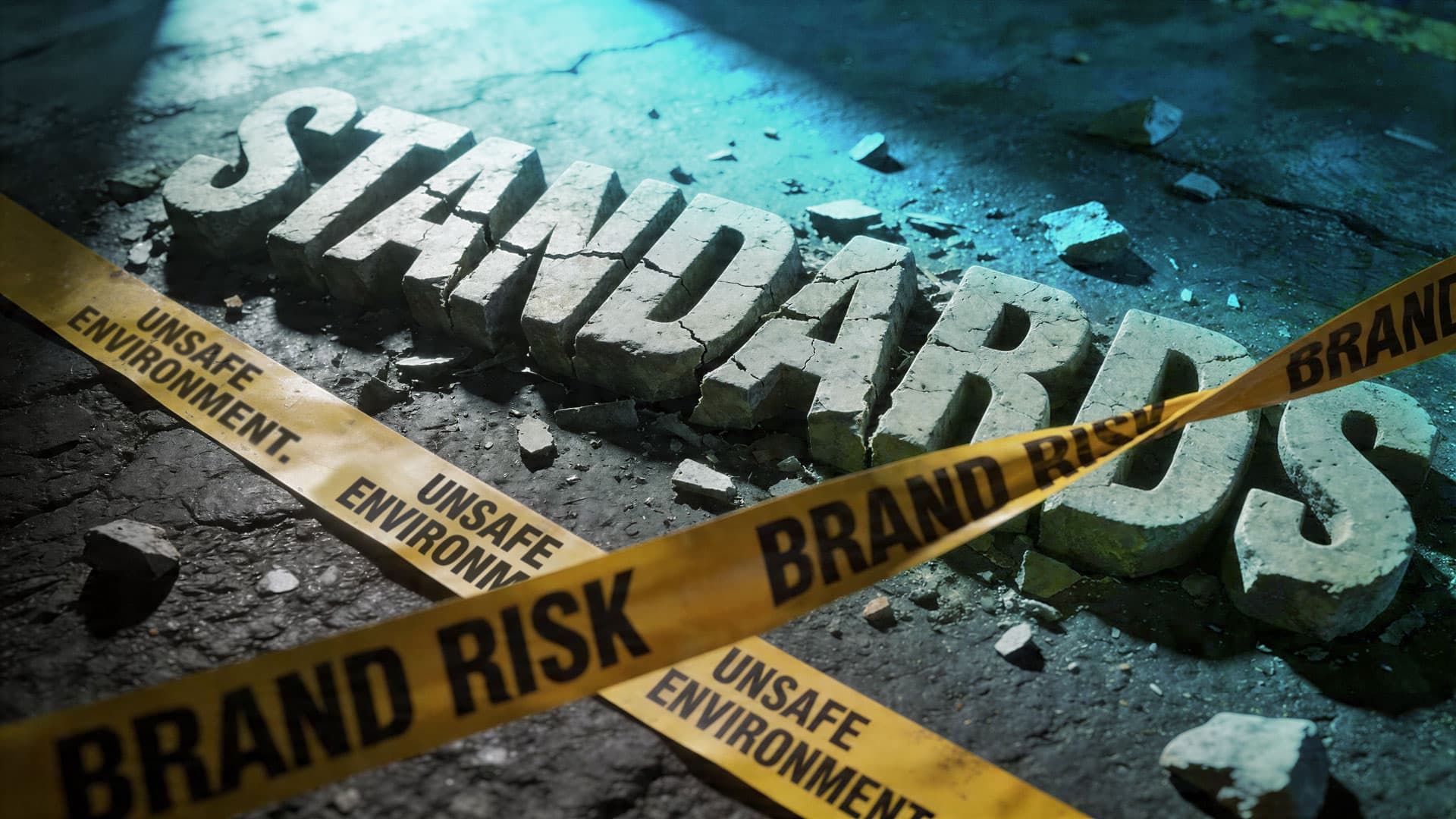
Why marketers are applying the wrong standards to the wrong environments

The Brand Safety Blind Spot

Brand safety has become selective
Brand safety sits alongside effectiveness, reach and return on investment as a core consideration in media planning. Brands should care deeply about where they show up. The environment surrounding a message shapes how it is received, remembered and trusted.
But the way brand safety is applied is not consistent. The standards shift depending on the channel. What is scrutinised in one environment is often overlooked in another. That inconsistency is now shaping investment decisions in ways that do not reflect the actual level of risk.
We have created a system where perceived risk is avoided, but proven risk is funded.
Where scrutiny shows up
Brand safety conversations tend to focus on traditional media. Television, news and reality programming are placed under a microscope when controversy arises. A storyline, a headline or a moment of tension can quickly trigger debate about whether brands should be there.
These reactions are visible and immediate. Brands are expected to respond, agencies are expected to justify decisions, and investment can shift quickly. The accountability is clear because the environments themselves are transparent and operate within established standards.
Television in New Zealand
Television in New Zealand operates within a clearly defined framework with established standards around decency, balance, public interest and the protection of audiences.
Across more than 300,000 hours of broadcast content, complaints are minimal and only a small number are upheld, and that is because the hard work is done before content ever reaches the screen. Television is a stable and accountable environment for brands.
In one of the most structured media environments, breaches are rare.
Where scrutiny fades
Global technology platforms operate under very different conditions. Despite ongoing concerns about user safety, content moderation and platform design, advertising investment continues to grow.
This creates a clear imbalance. The environments that are most visible attract the most scrutiny. The environments where risk is less visible attract less attention, even when the underlying issues are more significant.
Despite what we know, the money continues to move in the same direction.
The evidence is not new
Concerns about platform safety have been building for years. Internal research, whistleblower testimony and public investigations have all pointed to the same underlying issue. Platform design can contribute to harm, particularly when engagement is prioritised over safety.
These findings are well known within the industry. They have been discussed widely and reported extensively. Yet awareness has not translated into meaningful shifts in advertising behaviour.
From concern to accountability
More recent developments have taken this further. Legal cases have established that platform design can actively expose users to harmful content. These findings move the issue from concern to accountability.
They also establish a precedent. This is no longer a question of whether risk exists. It is a matter of record, supported by legal findings and ongoing cases.
This is no longer a perception issue. It is a matter of record.
The contradiction at the centre
Highly regulated environments such as television and news are often treated as higher risk because their content is visible and can be judged in real time. At the same time, platforms facing sustained legal and ethical scrutiny continue to attract investment.
This raises a fundamental question. What are marketers actually responding to when they assess brand safety. If decisions are driven by perception rather than evidence, the concept itself begins to lose meaning.
The role of news in the equation
News highlights this contradiction clearly. Advertisers recognise its role in long term brand building, yet many underinvest due to concerns about adjacency. This caution sits alongside continued investment in environments that are widely considered less trusted.
In trying to avoid appearing in the wrong place, brands risk removing themselves from some of the most engaged and trusted environments available.
In trying to avoid the wrong place, brands risk removing themselves from the right one.
The wider implications
These decisions extend beyond individual campaigns. When investment moves away from regulated and trusted environments, it affects the sustainability of those channels. Television and journalism rely on advertising revenue to maintain quality and standards.


